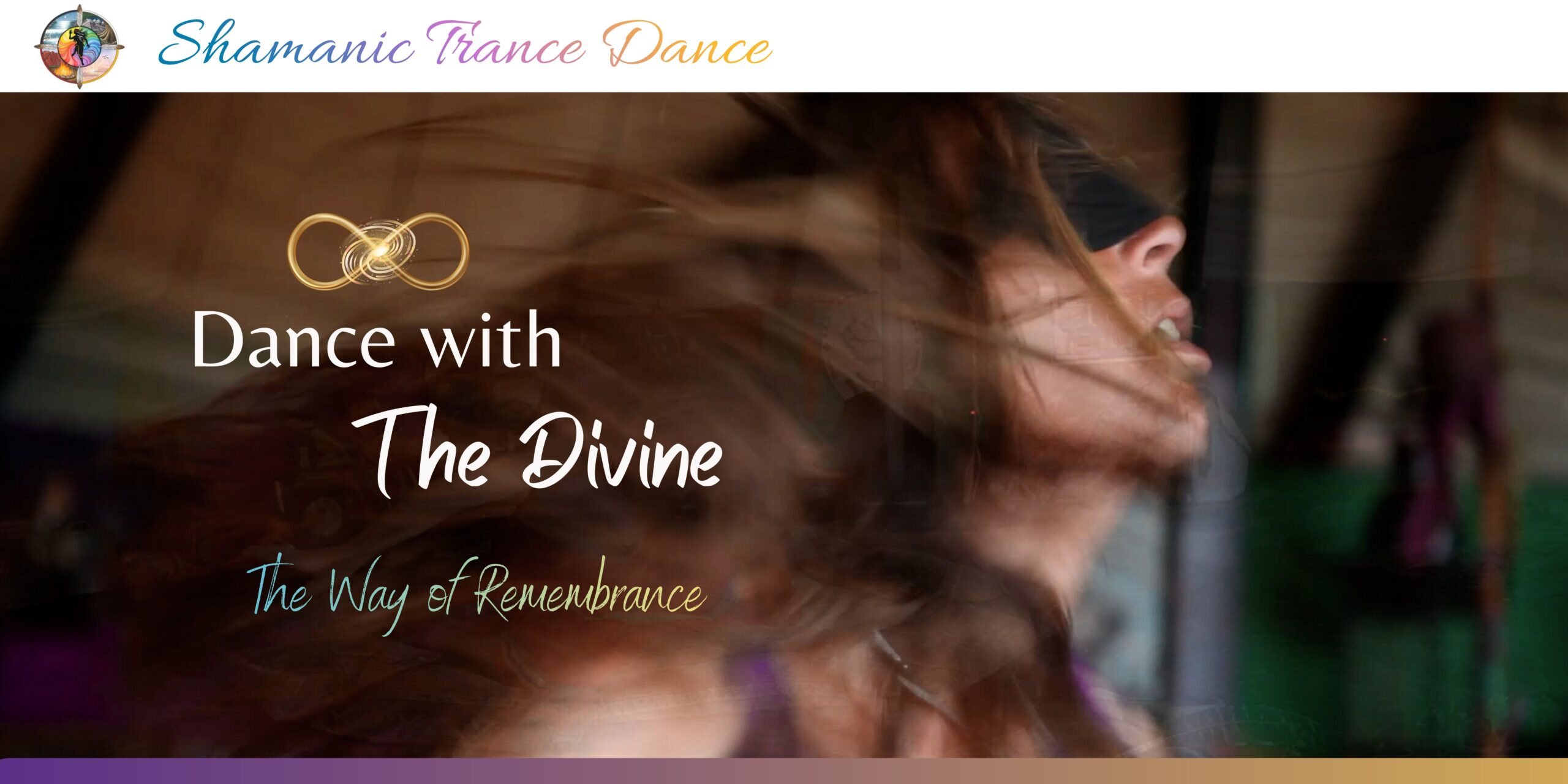

Shamanic dance is an ancient, embodied practice used across cultures to access trance states and altered states of consciousness. Through rhythmic movement, repetitive sound, and focused intention, dancers move beyond ordinary awareness into a heightened state often associated with healing, insight, and spiritual connection. Today, interest in shamanic dance is growing as people seek non-verbal, body-based pathways to expanded consciousness and inner transformation.
The Role of Rhythm and Repetition
At the core of shamanic dance is rhythm, most commonly created through drumming, rattles, chanting, or steady music loops. Neuroscience research shows that repetitive rhythmic stimuli can entrain brainwaves, shifting them from beta (ordinary waking consciousness) toward alpha and theta states, which are associated with trance, meditation, and dreamlike awareness.
As the body synchronizes with the beat, the analytical mind begins to quiet. This reduction in cognitive chatter allows dancers to enter a flow state, where movement feels effortless and intuitive. Over time, repetition deepens the trance, making altered perception more accessible.
Movement as a Gateway to Altered States of Consciousness
Unlike seated meditation, shamanic dance uses full-body movement to induce trance. Continuous, often improvised motion leads to physical fatigue, which paradoxically helps dissolve mental control. When the body takes over, conscious effort drops away, creating space for non-ordinary experiences such as visions, emotional release, or symbolic imagery.
This embodied approach is especially effective because the nervous system processes movement faster than thought. As a result, shamanic dance bypasses intellectual resistance and works directly with instinct, sensation, and emotion—key components in achieving altered states of consciousness.
Breath, Sensory Overload, and Focused Attention
Breathwork plays a subtle but powerful role in shamanic dance. Faster and deeper breathing at the beginning of the dance increases oxygen flow and can slightly alter blood chemistry, intensifying sensory experience. Combined with repetitive sound and eyes covered, this creates a form of sensory saturation that draws attention inward.
At the same time, dancers hold a clear intention, such as healing, guidance, or connection with spiritual energies. This focused attention, paired with sensory immersion, strengthens the trance state and gives direction to the altered consciousness experience.
Dissolving the Ego and Accessing Non-Ordinary Reality
One of the defining features of trance induced by shamanic dance is ego softening. As habitual self-identity fades, dancers may feel connected to something larger—nature, ancestral memory, or universal energy. Many describe this as entering a “non-ordinary reality,” where insight arises through symbols, emotions, or bodily knowing rather than logic.
This temporary shift in identity is not escapism; instead, it allows new perspectives to emerge. After the dance, insights can be integrated into daily life, making the experience both transformative and grounding.

Why Shamanic Dance Remains Powerful Today
Shamanic dance continues to facilitate trance and altered states of consciousness because it works with the body’s natural rhythms and neurobiology. By combining movement, rhythm, breath, and intention, it offers a direct, accessible pathway to expanded awareness; one that doesn’t rely on substances or complex techniques.
For modern seekers, therapists, and spiritual practitioners alike, shamanic dance provides a powerful reminder: sometimes, the fastest way beyond the thinking mind is to move through it. Contact Zelia today to learn more or try one of Zelia’s guided videos, offering online anytime Shamanic Trance Dance experiences.
Find More information here: https://shamanictrancedance.global/shamanic-trance-dance-live-online-with-zelia/